Computer and Information SciencesGhost

Front Matter

Front Matter
The Front Matter Blog covers the intersection of science and technology since 2007.
Home PageAtom FeedMastodonISSN 2749-9952
language
Meeting ReportComputer and Information Sciences
Published

We did it. Yesterday was Science Online London, a conference about the online communication of science that took place at the Royal Institution. I hope that everybody that attended had a great time. You can see a lot of conference coverage on Twitter (hashtag #solo09) and in the FriendFeed Science Online London group.

InterviewsComputer and Information Sciences
Published

Euan Adie in June announced the Streamosphere service on the Nascent blog: Welcome to the Streamosphere. His simple explanation of what Streamosphere does: Streamosphere lets you track scientific discussion on the web, in real time. The Nascent blog post explains Streamosphere in more detail, in another post from July Euan talks about some updates to the service. I've asked Euan a few questions to learn more about Streamosphere.

InterviewsComputer and Information Sciences
Published

At SciBar Camp Palo Alto last month, Peter Binfield from PLoS ONE gave a very interesting presentation on Article-level metrics from the PLoS perspective. Particularly interesting was his announcement that PLoS journals will provide usage data (HTML pageviews, PDF and XML downloads) for all their articles in September.

Science HackComputer and Information Sciences
Published

Problem You want to distribute papers for a regular journal club in your department. Solution Create a group for your journal club in FriendFeed. You can create a either a private group, where only group member can read and post messages, or a public group that is open to everyone. Then invite all regular participants of your journal club to FriendFeed and make them join the group.

Meeting ReportComputer and Information Sciences
Published

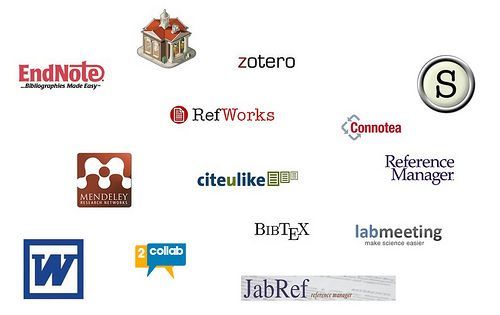
Regular readers of this blog know that I often talk about bibliographic management tools (most recently here and here), and it was probably for this reason that I was invited to an interesting full-day workshop last week at the Royal Free Hospital Medical Library in London: Bibliographic Management meets Web 2.0. The event was organized by science librarians Frank Norman, Nathalie Cornee and Betsy Anagnostelis, and was attended by about 20

Meeting ReportComputer and Information Sciences
Published

Google Wave is a new tool for communication and collaboration on the web. When Wave was first announced May 28 at the Google I/O conference, many people immediately saw its potential as a great collaboration tool for scientists: * Ricardo Vidal: Using Google Wave to surf the streams * Me: Google Wave – don't forget the scientists * Cameron Neylon: OMG! This changes EVERYTHING!

Meeting ReportComputer and Information Sciences
Published

This weekend I was at SciFoo, an invitation-only unconference by O'Reilly Media, Nature and Google that took place at Google. I was fortunate to be invited, and I'm still digesting all the impressions and discussions that I had (there were many). This post is the indirect result of two sessions and several related discussions on one particular topic that I'm most interested in – the process of scientific publication.

Science HackComputer and Information Sciences
Published

Problem You want to regularly go through the papers published in the most important journals in your research field. Solution Subscribe to the journal table of contents (TOC) RSS feed. Almost all journals now provide their TOC as RSS feed that is updated with every new issue. RSS is a standard web format used to publish frequently updated works.