Other Social Sciences
Published
Author Aaron Tay
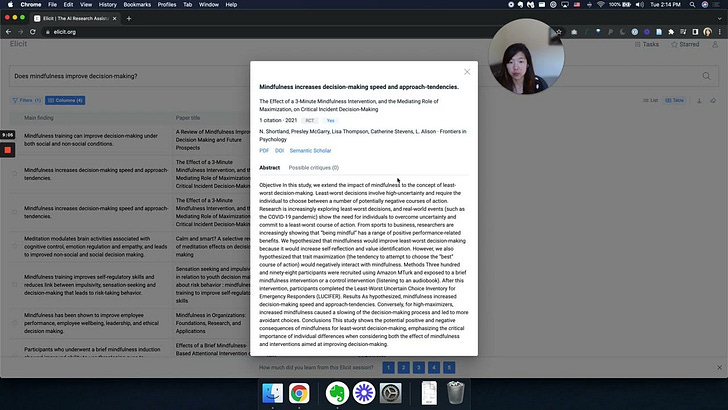
Since I started blogging about GPT-3 and language models, interest in this area has continued to increase.
Since I started blogging about GPT-3 and language models, interest in this area has continued to increase.

A belated Happy New year to all my readers! The first blog post for the year will be a mixed bag of events or changes that have caught my eye.

As a generalist and dilettante in the field of academic librarianship, I highly appreciate works that

RISK WARNING NOTICE: my understanding of such matters are incomplete, read at your own risk! I haven't been looking closely at Seamless Access and GetFTR for a while, but given it is nearly two years since GetFTR was announced, I decided to see how it has changed and was pleasantly surprised by some of the changes.

It seems like OA week first started as "OA day" in 2007, the year I became a academic librarian. Since then for the next 14 years, I would mark OA week, with an invited talk or two, a blog post or more commonly nothing at all.

I recently received an interesting question.
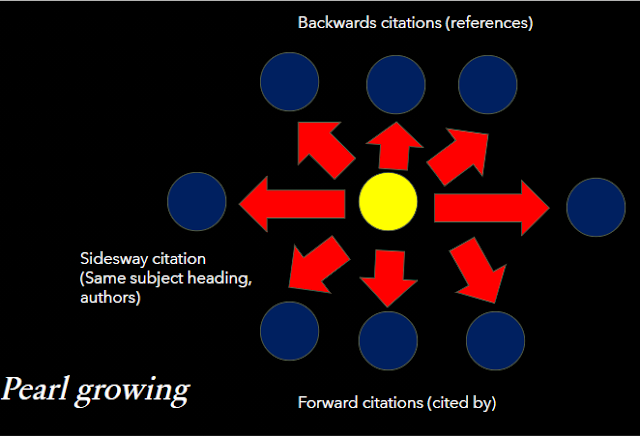
One of the central themes of my blog is that it covers the topic of academic discovery (100+ blog posts are tagged "Discovery" out of 300+ posts) and when it comes to discovery in the academic area, the importance of Google Scholar looms over everything we do in this area.
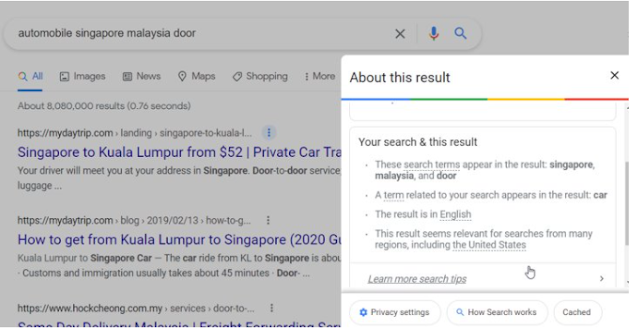
Announcement As mentioned in the last blog post, this blog has been migrated to using follow.it service due to the retirement of Feedburner's email service, and this is the first post since the migration. If you have subscribed to us via email in the past, hopefully you should be getting this post via email as usual.

Announcement This blog has been using Feedburner to provide RSS and email subscriptions for over a decade (since 2009!). Unfortunately Feedburner has accounced that email subscriptions are going away in July, so to ensure that those of you who have subscribed to this blog via email continue to receive emails, I'm moving everyone to a new service - follow.it for the next blog post in July

I have become increasing bullish on the rise of what I have called innovative literature mapping tools which have been emerging in the last two to three years thanks to the increasing availability of openly Scholarly metadata (in particular title, abstracts and citation data). I would identify Barney walker's Citation Gecko released in 2018 as the first of it's class of

In the last month, there were two interesting developments that caused quite a stir in my twitter feeds (see discussions here and here). Firstly, there was an interesting announcement on the Unpaywall mailing list, that Unpaywall had detected that Semantic Scholar which was one of the biggest repository sources they were tracked had removed most of the articles it was hosting.