CrossrefIdentifiersMetadataOpen Funder RegistryRORInformatikEnglisch
Veröffentlicht
Today, we are announcing a long-term plan to deprecate the Open Funder Registry.
Today, we are announcing a long-term plan to deprecate the Open Funder Registry.
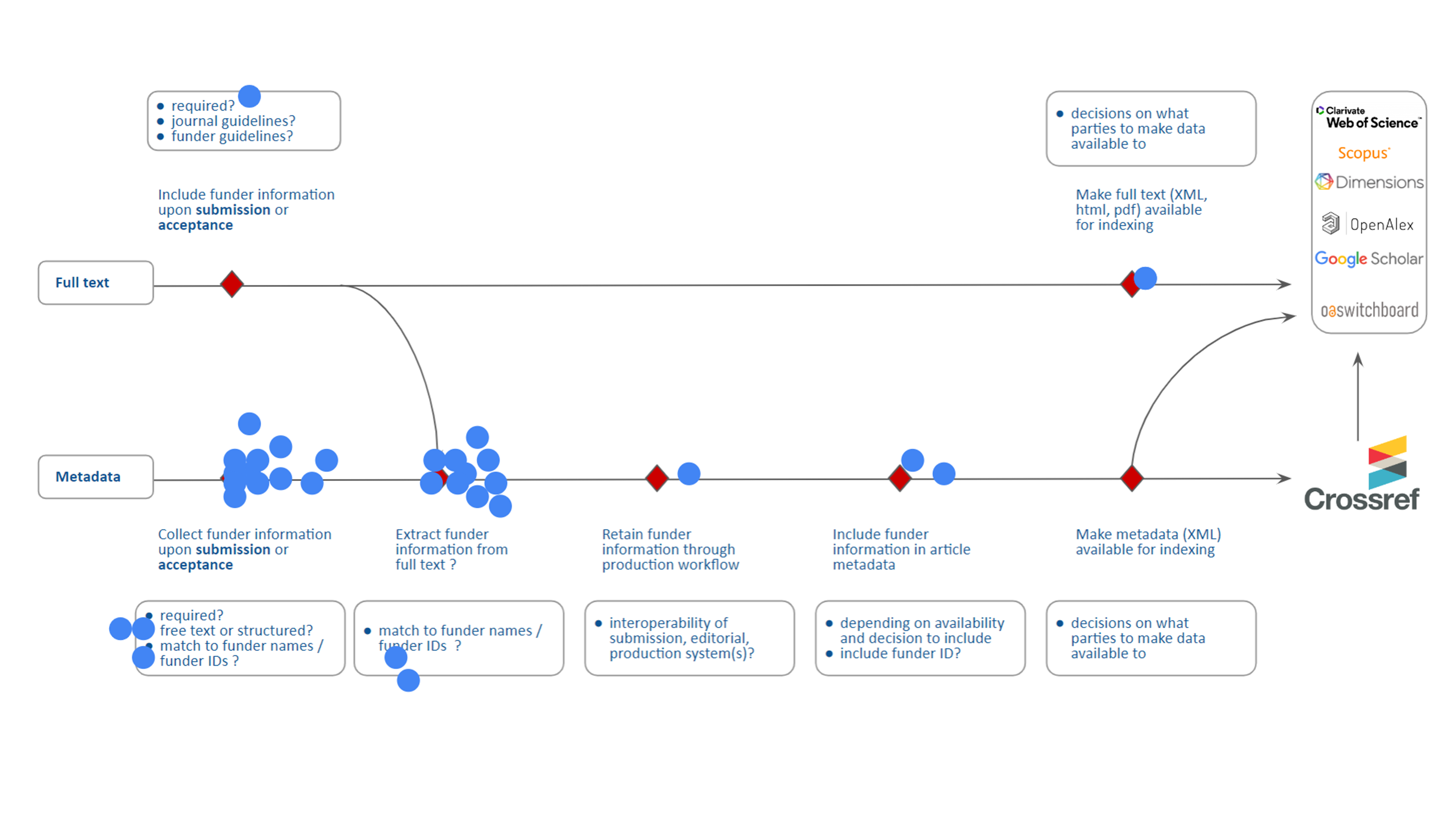
Ten years on from the launch of the Open Funder Registry (OFR, formerly FundRef), there is renewed interest in the potential of openly available funding metadata through Crossref. And with that: calls to improve the quality and completeness of that data.
My name is Johanssen Obanda. I joined Crossref in February 2023 as a Community Engagement Manager to look after the Ambassadors program and help with other outreach activities.
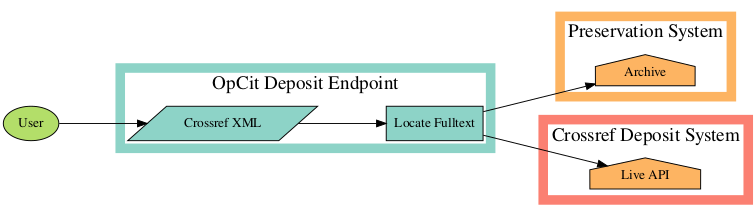
Digital preservation is crucial to the “persistence” of persistent identifiers. Without a reliable archival solution, if a Crossref member ceases operations or there is a technical disaster, the identifier will no longer resolve.
This is the first post in a series designed to showcase what we do in the Crossref R&D group, also known as Crossref Labs, which over the last few years has been strengthened, first with Dominika Tkaczyk and Esha Datta, last year with part of Paul Davis’s time, and more
The Crossref Nominating Committee invites expressions of interest to join the Board of Directors of Crossref for the term starting in March 2024. The committee will gather responses from those interested and create the slate of candidates that our members will vote on in an election in September.
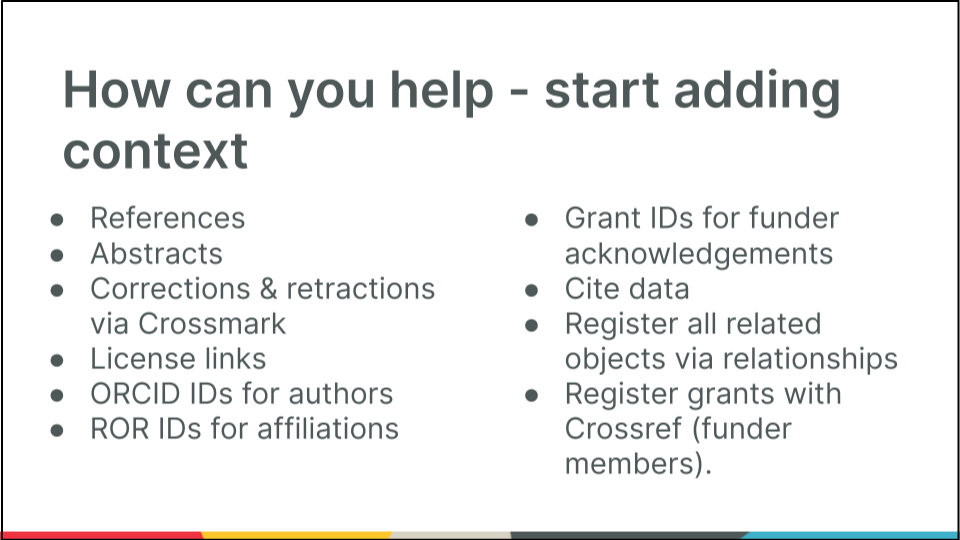
We were delighted to engage with over 200 community members in our latest Community update calls. We aimed to present a diverse selection of highlights on our progress and discuss your questions about participating in the Research Nexus.
We have some exciting news for fans of big batches of metadata: this year’s public data file is now available. Like in years past, we’ve wrapped up all of our metadata records into a single download for those who want to get started using all Crossref metadata records.
In 2022, we flagged up some changes to Similarity Check, which were taking place in v2 of Turnitin’s iThenticate tool used by members participating in the service. We noted that further enhancements were planned, and want to highlight some changes that are coming very soon.
We’ve been spending some time speaking to the community about our role in research integrity, and particularly the integrity of the scholarly record. In this blog, we’ll be sharing what we’ve discovered, and what we’ve been up to in this area.
Do you want to help make research communications better in all corners of the globe? Come and join the world of nonprofit open infrastructure and be part of improving the creation and sharing of knowledge.